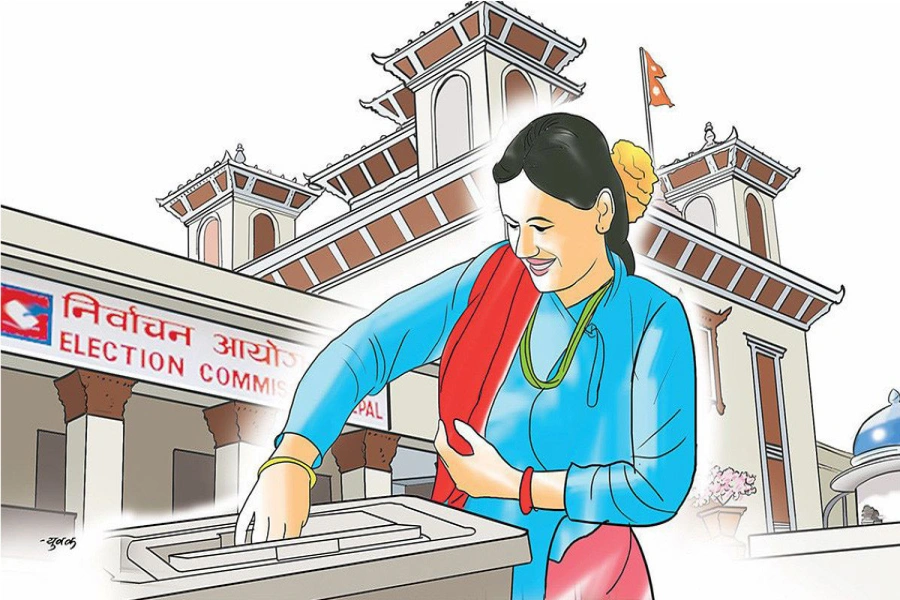
As Nepal prepares for its upcoming national elections in 2026, there is a quiet but sincere sense of goodwill across India. These elections are seen not as a distant political event in a neighbouring country, but as an important democratic moment for a nation with which India shares deep historical, cultural and human ties. Among ordinary Indians, the sentiment is clear and consistent. A peaceful, stable and prosperous Nepal is not only good for Nepal. It is good for the region and for millions of people whose lives remain closely intertwined across the open border.
India’s interest in Nepal’s democratic process is rooted far more in people to people relationships than in government to government calculations. Families span both sides of the border. Students, pilgrims, workers and traders move freely every day. Shared languages, traditions and faiths bind the two societies in ways that no change of government can undo. Because of this lived reality, Indians broadly view Nepal’s elections through a human lens rather than a strategic one. The hope is simple that Nepali citizens are able to vote freely, safely and with confidence in their institutions.
Nepal’s elections are taking place at a time of political transition and public introspection. The country has witnessed strong civic mobilisation in recent years, particularly among younger voters who are demanding accountability, jobs, transparent governance and effective service delivery. These aspirations are well understood in India, where similar debates animate public life. There is an appreciation that Nepal’s democracy is evolving and that political renewal is neither linear nor easy. From New Delhi’s perspective, this evolution is Nepal’s own journey and must be shaped by Nepali choices alone.
India’s official position has remained consistent across governments. It supports Nepal’s democratic process without endorsing any particular party or leader. This approach reflects both principle and experience. India has worked with diverse political forces in Nepal over decades and understands that pluralism is central to the country’s political culture. Whether it is the Nepali Congress, the Communist Party of Nepal Unified Marxist Leninist, the Maoist Centre or regional and issue based parties, India’s engagement has focused on continuity, dialogue and institutional stability rather than personalities.
Vitality of Ethics and Dignity in Human Existence

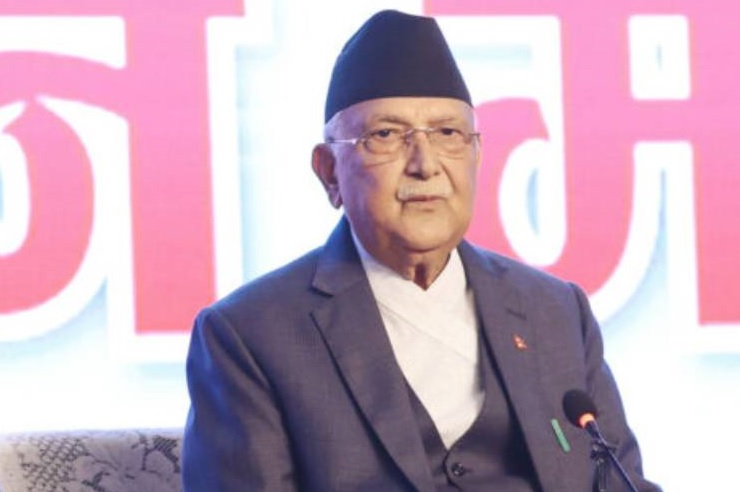
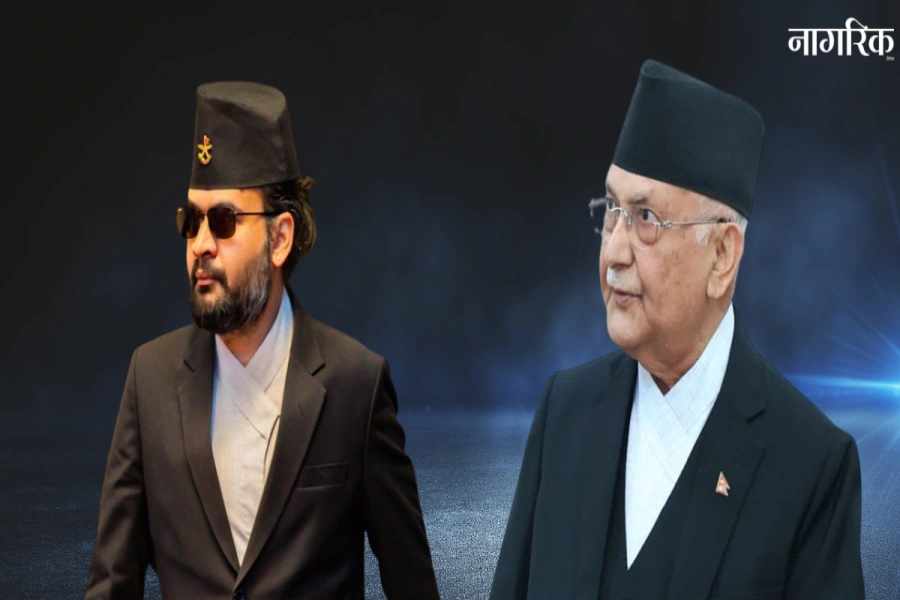
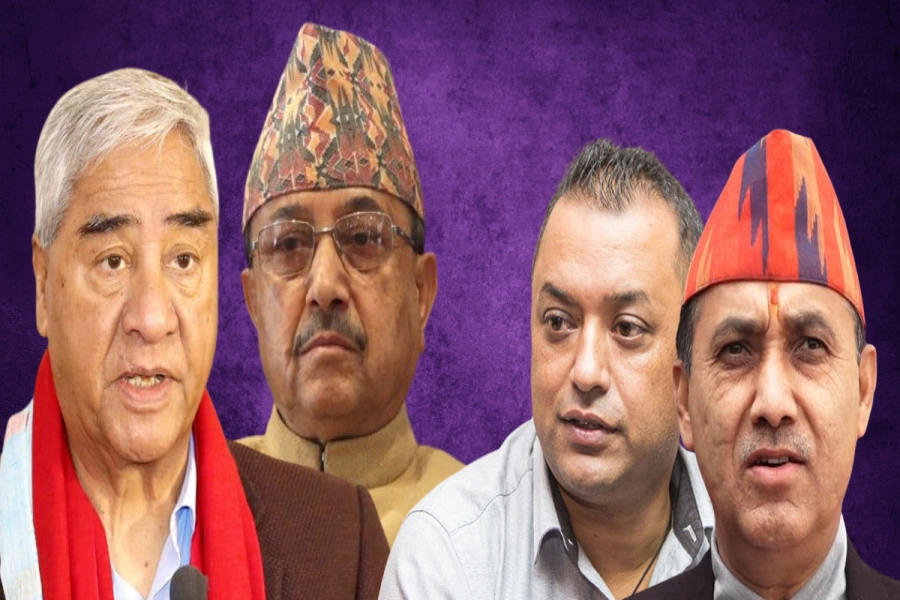
Prominent leaders across Nepal’s political spectrum continue to shape public debate. Figures such as Sher Bahadur Deuba, KP Sharma Oli, Pushpa Kamal Dahal Prachanda, Baburam Bhattarai, Upendra Yadav and CK Raut represent different ideological strands and social constituencies. In India, there is recognition that Nepal’s diversity requires coalition building, compromise and patience. Elections are seen as a means of renewing legitimacy, not as a cure all for deeper structural challenges.
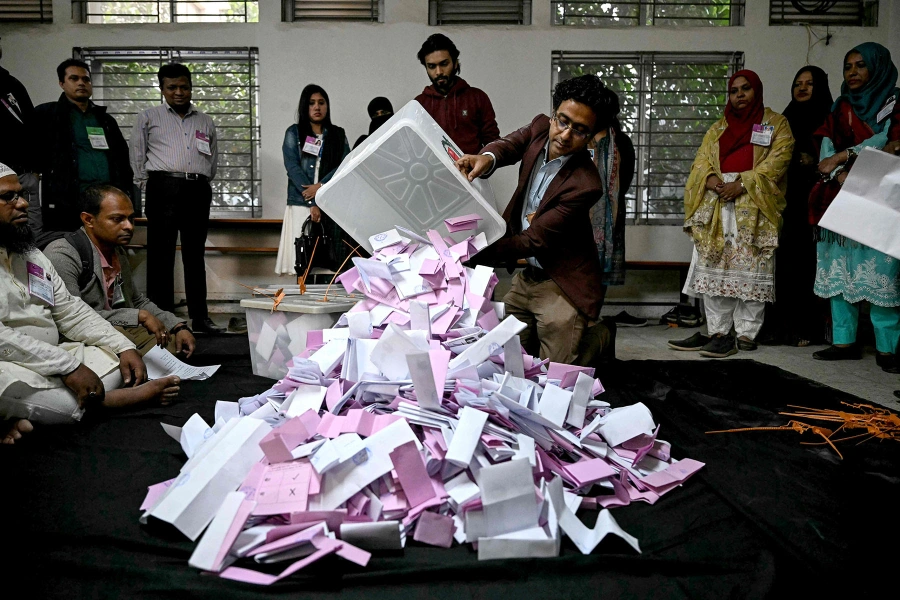
What Indians particularly hope to see is a peaceful electoral process. Nepal has a strong tradition of political participation, and preserving that tradition matters. Stability in Nepal contributes directly to social harmony along the border regions and to economic confidence on both sides. Disruptions, violence or prolonged uncertainty affect ordinary people first, whether they are traders in Bihar, workers in Uttar Pradesh or farmers in the Tarai. For this reason, India’s interest in calm and credible elections is grounded in concern for everyday lives rather than abstract geopolitics.
India’s support for Nepal has also extended beyond political statements. Over the years, cooperation in infrastructure, education, health and disaster response has helped build trust at the grassroots level. Thousands of Nepali students study in Indian institutions. Medical facilities in India treat Nepali patients daily. Development partnerships, whether in hydropower, roads or connectivity, are viewed in India as long term investments in shared prosperity. Elections are expected to strengthen the policy continuity needed to sustain these efforts.
Importantly, there is growing awareness in India that public opinion in Nepal values dignity and equality in bilateral relations. Indians increasingly acknowledge that goodwill cannot be taken for granted and must be earned through sensitivity and respect. This awareness has shaped a more careful public discourse. The dominant view today is that Nepal is not a space for influence or competition but a sovereign nation whose stability is best secured through its own democratic strength.
At a time when global politics often turns neighbours into rivals, the India Nepal relationship stands out for its human depth. The border remains open not because of treaties alone but because of trust built over generations. Elections in Nepal are therefore not just about leadership change. They are about reaffirming a shared commitment to democratic values in South Asia.
As Nepal approaches polling day, the message from India is understated but sincere. The choice belongs entirely to the Nepali people. India stands ready to work with whichever government emerges through a credible democratic process. More than anything else, Indians want to see a Nepal that is peaceful, confident and forward looking, because the destinies of the two societies remain closely linked.
In that sense, Nepal’s elections are not viewed from India with anxiety or expectation, but with quiet optimism. A strong Nepal strengthens the neighbourhood. A democratic Nepal reinforces regional stability. And a prosperous Nepal ensures that the bonds between the two peoples continue to thrive regardless of who holds office.
(The author is Editor at The Daily Milap, India)