KATHMANDU, Feb 8: The election to the House of Representatives is set for March 5, 2026, two years ahead of the regular schedule. Taking place amid political shifts that followed the Gen Z movement of September 8 and 9, this election will test public opinion toward parties and their leaders. Early signs suggest tight contests in several constituencies between senior figures from established parties and rising leaders from newer political forces.
Key battlegrounds include Jhapa 5, Sarlahi 4, Rautahat 1, Chitwan 2, and Rukum East, where parties such as the Nepali Congress, CPN UML, Nepal Communist Party, and the Rastriya Swatantra Party are set for intense and closely watched races. The number of parties and candidates registered with the Election Commission shows that this election will differ from previous ones. With many parties and independent candidates in the field, vote splitting is a real possibility.
Established parties are relying on their organizational strength, sending leaders and cadres door to door. The Nepali Congress is highlighting stability and democratic values. CPN UML is focusing on nationalism, development, and leadership ability. The Nepal Communist Party is stressing social justice and inclusive development. The Rastriya Swatantra Party and other newer groups are openly criticizing old leadership and trying to channel public anger in their favor.
During early campaigning and door to door outreach, voters have shown interest in RSP senior leader Balen Shah and some independent candidates. This has put pressure on traditional party nominees. Many observers compare this moment to the 2008 Constituent Assembly election, when the then CPN Maoist, after entering the peace process, emerged as the largest party. Even then, it failed to secure a majority to form a government alone. A similar outcome is now being discussed, with analysts saying a single party majority looks unlikely and a coalition government more probable.
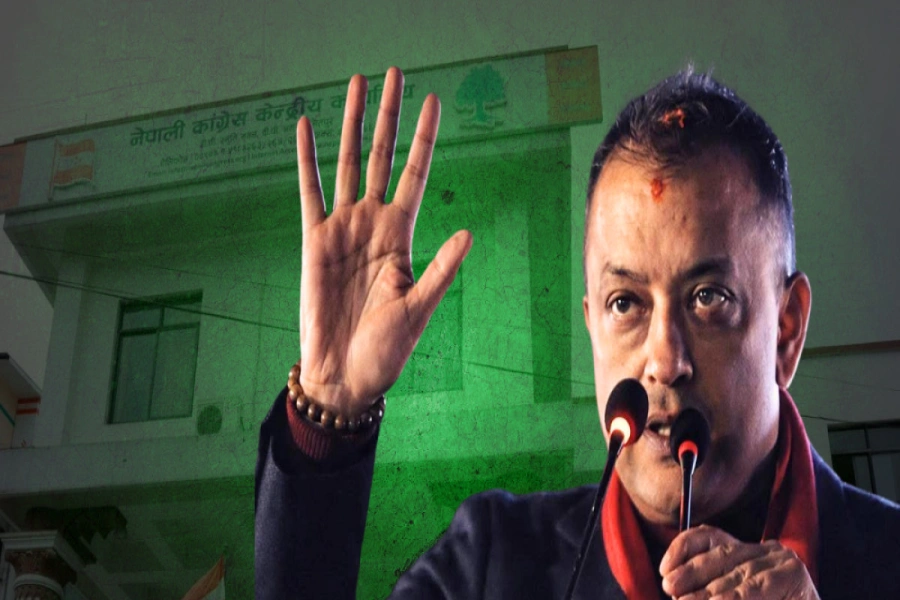
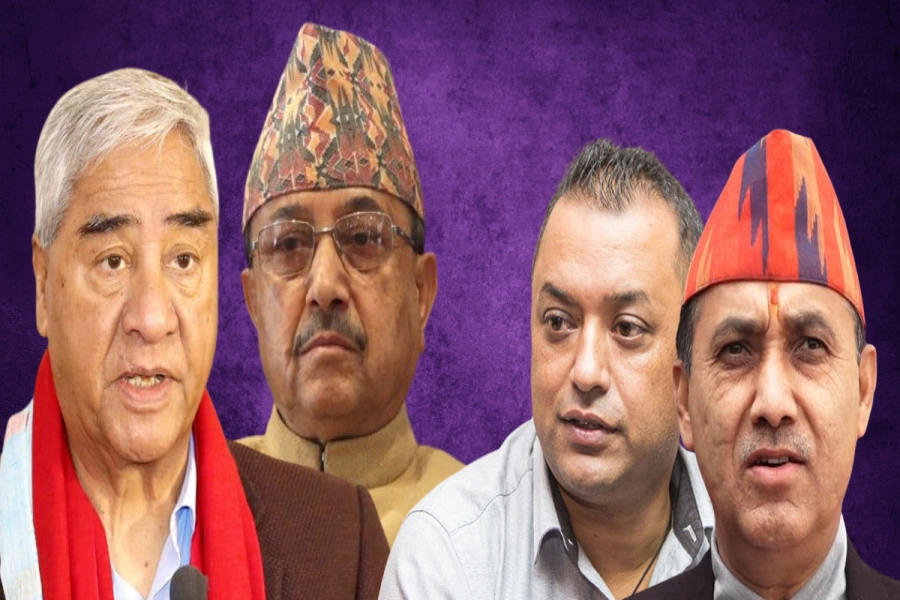
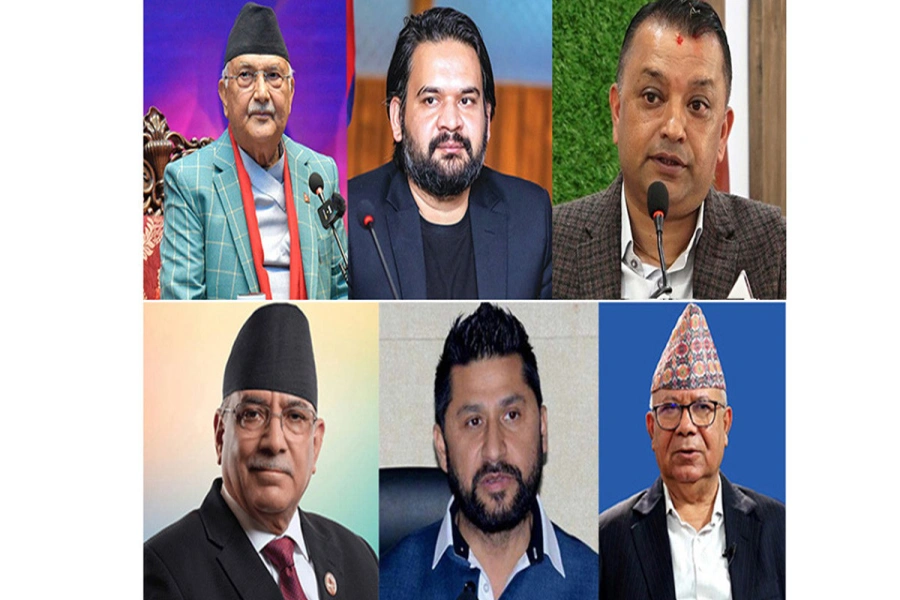
This election presents different challenges for top leaders such as KP Sharma Oli, Gagan Kumar Thapa, Pushpa Kamal Dahal, Madhav Kumar Nepal, and Rabi Lamichhane. Oli faces accusations of suppressing the Gen Z movement.
Thapa risks internal resistance within his own party. Dahal is accused of abandoning Maoist ideology in the name of party unity and neglecting conflict era wounded and martyrs. Nepal faces a corruption case that remains under court consideration. Lamichhane is under fire over allegations linked to cooperative fraud. Balen Shah also faces criticism for resigning as Kathmandu mayor before completing his term. All of them must confront these issues during the campaign.
HoR holding fourth meeting; when is address by top leaders?

Jhapa 5: Pressure on Oli
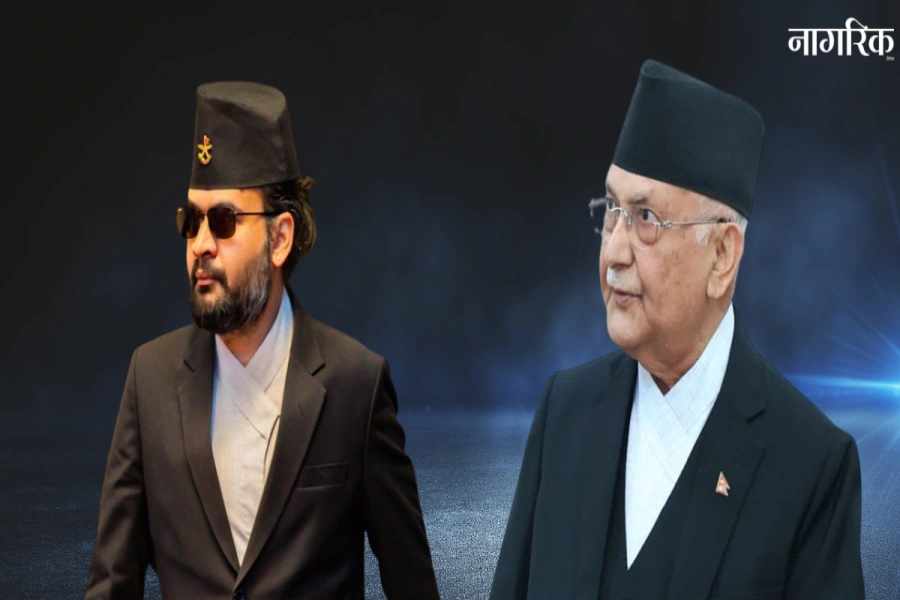
CPN UML chair and former prime minister KP Sharma Oli is contesting from Jhapa 5, a constituency he has represented since 1991. This time, RSP senior leader Balen Shah has also entered the race after resigning as Kathmandu mayor. Shah’s arrival in Oli’s home constituency has heated up the contest.
Oli has won elections from Jhapa in all but one instance since 1991. Both UML and RSP are projecting their candidates as future prime ministers, which has raised the stakes. Shah’s candidacy has added pressure on Oli, especially at a time when there is some internal dissatisfaction within UML. Although critics inside the party have not spoken openly, their discontent could affect the vote. Recently, local UML youth leader Rajesh Prasai left the party.
RSP has called Shah’s candidacy from Jhapa 5 a matter of pride, while UML insists that its strong organization will secure Oli another victory. Still, analysts say Shah’s presence has clearly made the race tighter. Oli benefits from being a local figure with a record of development work in the area. Shah, on the other hand, attracts younger voters and can campaign aggressively. Many now expect a close result decided by a small margin. In 2008, Oli lost here to the then Maoist candidate Bishwadeep Lingden, who later faded from national politics.
In the last election, Oli won with 52,319 votes. His nearest rival, Nepali Congress candidate Khagendra Adhikari, received 23,743 votes. The RSP candidate secured 11,748 votes. There are 163,379 voters in Jhapa 5, including around 10,000 new voters.
Sarlahi 4: A tough test for Thapa
After becoming party president through a special convention, Gagan Kumar Thapa chose to contest from Sarlahi 4. He faces a strong challenge from RSP candidate Amresh Kumar Singh, a local leader with a Congress background who previously won as an independent after being denied a party ticket.
Thapa left Kathmandu 4, which he had won three times, to contest from Sarlahi 4, believing it to be an easier seat. As party president and a projected future prime minister, he also has nationwide campaign responsibilities, which limit his time in the constituency.
Sarlahi 4 has long been considered a Congress stronghold. Congress won here in 1991, 1994, and 1999. In 2008, the Madhesi Janadhikar Forum won. Singh was elected from Congress in 2013 and 2017. In 2022, as an independent, Singh defeated Congress candidate Nagendra Rai Yadav. The constituency has 121,012 voters.
Rukum East: A martyr’s son against Dahal
Nepal Communist Party coordinator Pushpa Kamal Dahal, who has often changed constituencies, is contesting from Rukum East this time, seen as a safer seat. He faces Sandip Pun, son of a Maoist conflict era martyr, contesting from the Progressive Democratic Party with backing from UML.
Rukum East has a single parliamentary seat. In 2022, Maoist Center candidate Purna Bahadur Gharti won here. Rukum was a Maoist stronghold during the conflict, and memories of the insurgency remain strong. Dahal says he chose Rukum East because he cannot forget the base of the people’s war. Still, the alliance backing Pun could make the race harder than expected.
Rautahat 1: Can Nepal repeat?
Former prime minister Madhav Kumar Nepal is contesting from Rautahat 1. He faces challenges from UML’s Ajay Kumar Gupta and Nepali Congress candidate Anil Jha. In 2022, Nepal won here with support from Congress and the Maoist Center. This time, he must defeat both major party candidates.
Rautahat 1 includes multiple municipalities and rural municipalities. Local-level election results show mixed party control, adding uncertainty. Nepal has won from this constituency before and hopes to repeat that success.
Chitwan 2: Lamichhane under scrutiny
RSP chair Rabi Lamichhane is contesting from Chitwan 2 while facing court cases related to alleged cooperative fraud. Though the seat is considered favorable for him, the questions surrounding him remain intense.
Lamichhane has already won twice from this constituency. In 2022, he won with 49,264 votes and later became deputy prime minister and home minister. After losing his seat due to a citizenship ruling, he regained Nepali citizenship and won the 2023 by-election with 54,176 votes.
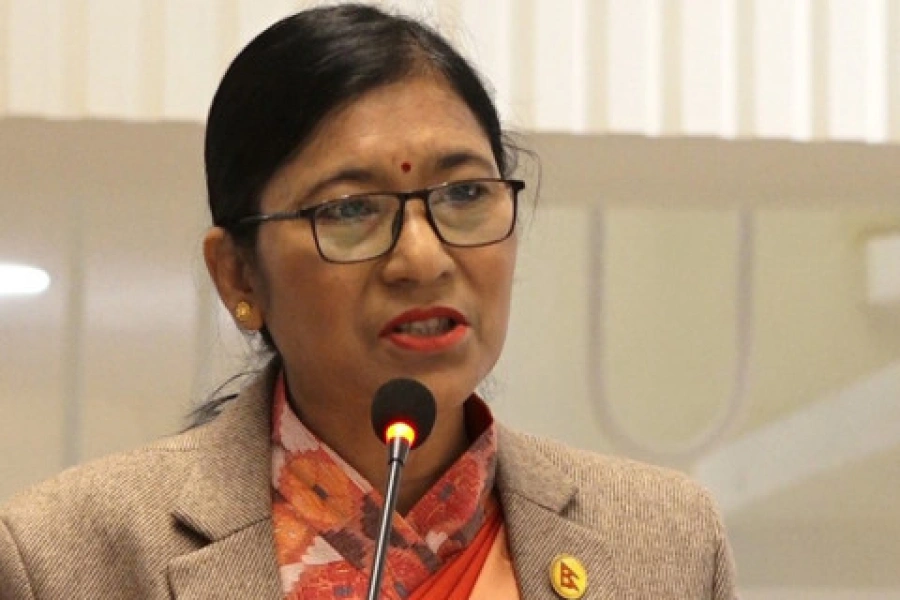
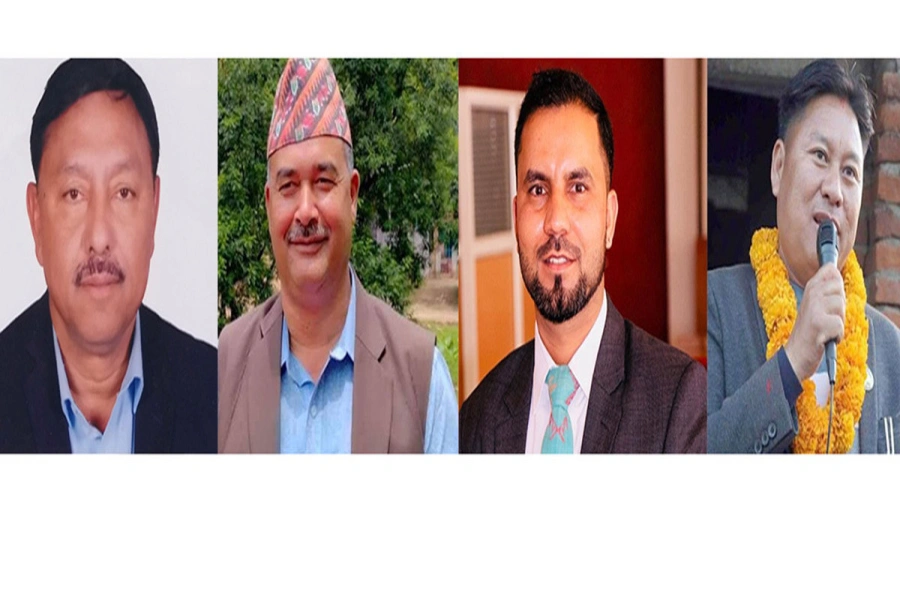
This time, Nepali Congress has fielded Mina Kharel, a long-time rights activist. UML has nominated young leader Asmin Ghimire. The Nepal Communist Party has put forward Pratap Gurung. Before Lamichhane’s rise, Chitwan 2 was considered a UML stronghold. Despite ongoing legal troubles, vote margins from previous elections suggest the constituency still leans in his favor.
As campaigning unfolds, these constituencies will show whether established leaders can hold their ground or if newer faces will reshape Nepal’s political map.